
The aesthetics industry is seeing a clear shift in patient demand. While traditional dermal fillers remain popular, more clinics are reporting increased interest in skin boosters. Patients are asking for subtle, natural, regenerative treatments rather than structural change. They want healthier skin, improved texture, and a glow that does not alter facial proportions.
Skin boosters sit at the intersection of injectable aesthetics and regenerative medicine. Rather than adding volume, they work within the skin itself to improve quality, elasticity, and hydration.
This change in preference is particularly noticeable among women aged 45 and above. Those that would usually have enhancements are now choosing them. Many do not necessarily want more filler. Instead, they want to soften fine lines, improve crepey texture, and restore radiance without visibly changing the structure of their face. Clear skin with a stunning glow is a desirable option for many instead of increased volume.
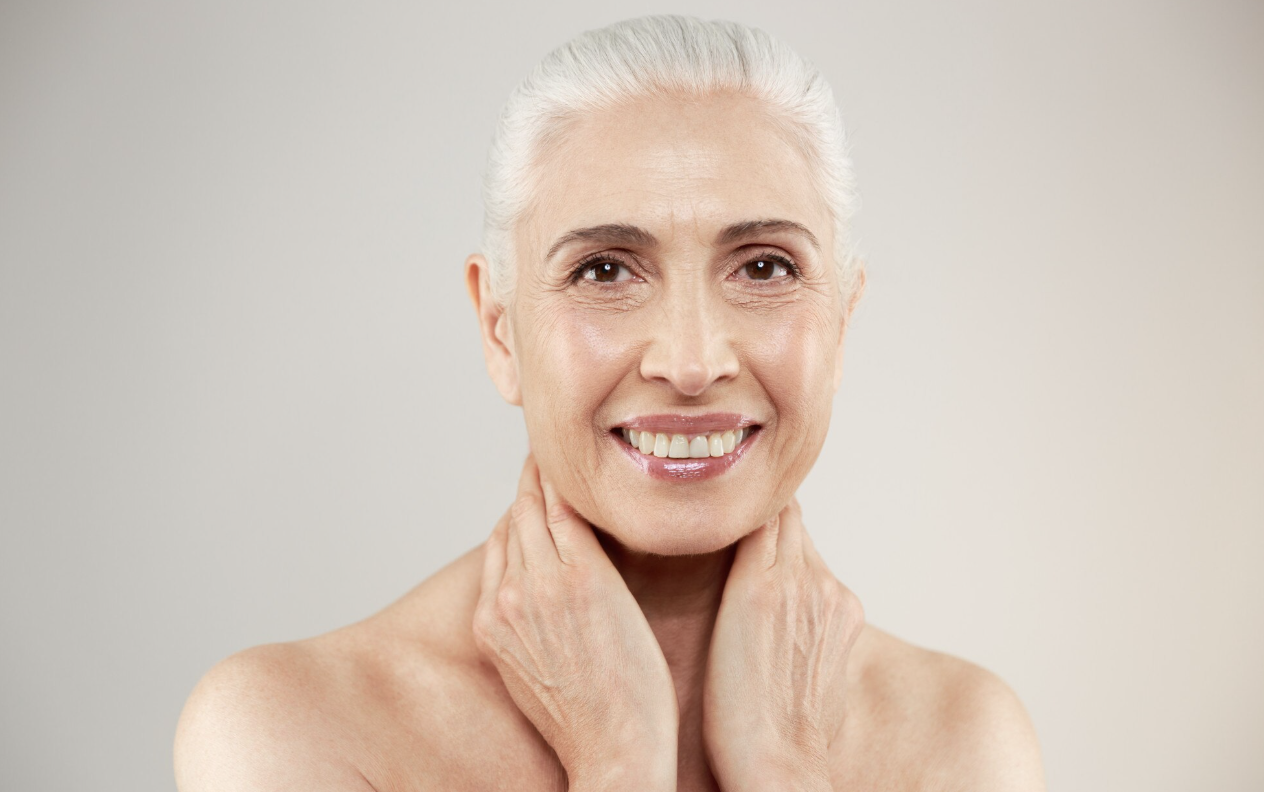
What Are Skin Boosters?
Skin boosters are injectable treatments designed to improve skin quality from within. They are typically delivered into the superficial dermis and work by stimulating collagen production, enhancing hydration, and supporting cellular repair.
Unlike traditional dermal fillers based on hyaluronic acid gels designed for lifting and contouring, skin boosters focus on tissue regeneration and dermal remodeling.
The Science Behind Different Types of Skin Boosters
Skin boosters vary significantly in formulation and mechanism of action. Below are the main scientific categories currently driving market growth.
1. Hyaluronic Acid Based Skin Boosters
These use low viscosity, lightly cross linked or non cross linked hyaluronic acid.
Mechanism:
- Attract and retain water molecules
- Improve dermal hydration
- Stimulate fibroblasts indirectly
- Enhance elasticity and smoothness
Best for:
- Dehydrated skin
- Fine lines
- Dull or tired appearance
Result:
Subtle plumping of the skin rather than structural volumisation. Patients often describe it as a refreshed or glowing look.

2. PDRN Based Skin Boosters
PDRN stands for polydeoxyribonucleotide. It is derived from purified DNA fragments, commonly from salmon, and has strong regenerative properties.
Mechanism:
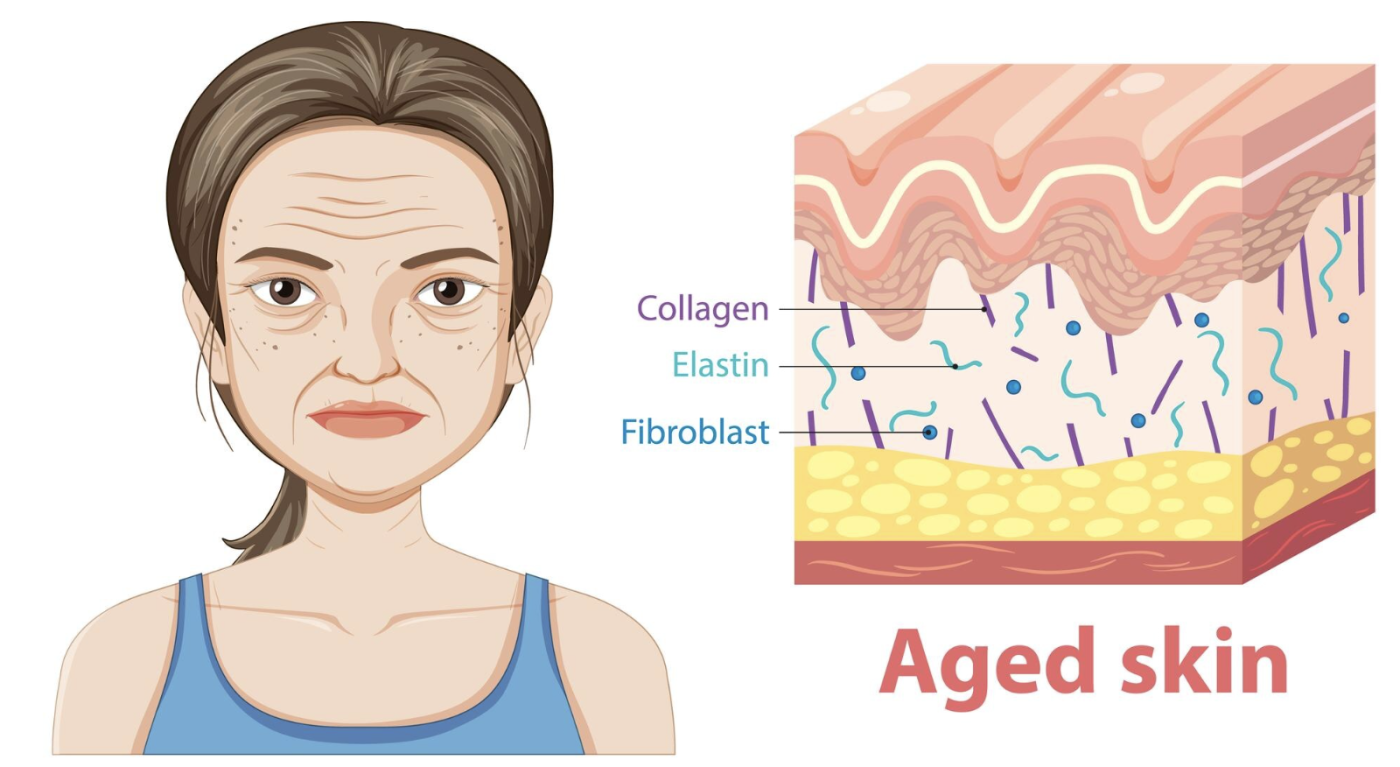
- Stimulates fibroblast activity
- Promotes collagen and elastin production
- Enhances tissue repair
- Improves microcirculation
Scientific relevance:
PDRN works through activation of adenosine A2A receptors, encouraging cellular repair and reducing inflammation.
Best for:
- Ageing skin
- Post inflammatory damage
- Thinning or fragile skin
- Patients wanting regenerative effects without volume
PDRN based treatments are often chosen by mature patients who want anti wrinkle improvement without changing facial shape.
3. Exosome Based Skin Boosters
Exosomes are extracellular vesicles released by stem cells. They contain growth factors, peptides, RNA, and signaling molecules.
Mechanism:
- Cell to cell communication
- Upregulate collagen synthesis
- Reduce inflammation
- Promote skin regeneration
Exosomes act as biological messengers, stimulating skin cells to behave more youthfully. They support tissue repair at a molecular level rather than mechanically filling space.
Best for:
- Advanced skin ageing
- Post procedure healing
- Patients interested in regenerative aesthetics
This category represents one of the fastest growing segments of the regenerative aesthetics market.
4. Polynucleotide and Biostimulatory Injectables
Closely related to PDRN, polynucleotide treatments focus on long chain DNA fragments that improve hydration and stimulate fibroblasts.
Mechanism:
- Increase dermal density
- Improve elasticity
- Strengthen skin barrier
- Enhance collagen matrix
These are particularly popular for:
- Under eye rejuvenation
- Neck and décolletage
- Thin skin areas where filler may look unnatural
Why Patients Are Choosing Skin Boosters Over Dermal Fillers
There is a noticeable trend among older women moving away from heavy filler use. Many patients now associate excessive filler with unnatural facial distortion or overfilled features.
Key reasons for the shift:
- Desire for natural ageing rather than reshaping
- Fear of looking overdone
- Preference for gradual improvement
- Focus on skin quality rather than volume
Skin boosters improve wrinkles by improving the dermal environment rather than stretching the skin with volume. Collagen builds from the inside out. Over time, this strengthens the skin’s structure naturally.
Patients often describe the result as:
- Brighter
- Smoother
- Healthier
- More radiant
Importantly, it is maintainable. Treatments can be performed in courses and repeated periodically, allowing progressive collagen stimulation without dramatic change.
Skin Boosters vs Dermal Fillers
Skin Boosters
Pros:
- Improve skin texture and elasticity
- Stimulate collagen production
- Subtle and natural results
- Minimal structural alteration
- Suitable for delicate areas
- Lower risk of overfilling appearance
Cons:
- Do not replace volume loss
- Results may require multiple sessions
- Less immediate dramatic effect
Best for:
Patients focused on skin health, glow, and fine line reduction.
Dermal Fillers
Pros:
- Immediate volume restoration
- Structural contouring
- Lifting effect
- Defined facial shaping
Cons:
- Risk of overcorrection
- Can alter facial proportions
- May migrate if poorly placed
- Not primarily regenerative
Best for:
Patients with significant volume loss or those seeking contour enhancement.
The Rise of Regenerative Aesthetics
The dominance of skin boosters reflects a broader industry shift toward regenerative treatments. Patients are increasingly educated and are looking for treatments that support long term skin biology rather than simply masking ageing.
By stimulating fibroblasts, enhancing extracellular matrix production, and improving dermal hydration, skin boosters align with this preventative and restorative approach.
For many women, especially those who no longer want facial reshaping but still want anti wrinkle improvement, skin boosters offer a scientifically grounded solution that enhances rather than alters.
The glow, improved texture, and subtle firmness are what make them so loved. They respect natural anatomy while encouraging the skin to function more youthfully.
This balance between science, subtlety, and sustainability is precisely why skin boosters are dominating the market.