
Clients who once came in asking for lip filler or Botox are now walking through the door with entirely different questions they want to know about skin quality, cellular repair, and treatments that make their skin function better rather than simply look different. At the heart of this shift are two regenerative technologies that have taken the aesthetics world by storm: polynucleotides (PN/PDRN) and exosomes.
If you’ve been seeing these terms everywhere lately at trade shows, on supplier catalogues, or across your social media feed you’re not imagining it. These are the two fastest-growing categories in modern aesthetic medicine, and understanding exactly what they are, how they differ, and when to use each one is now essential knowledge for any practitioner serious about offering cutting-edge skin booster treatments.
The K-Beauty Blueprint: Where This All Started
To understand why polynucleotides and exosomes have exploded in popularity, you have to start in Seoul. South Korea’s dermatology clinics have long operated on a skin-first philosophy one that treats injectables not as tools for altering features, but as instruments for improving how skin actually behaves. Where Western aesthetics historically focused on volume and freezing movement, Korean practitioners were already pioneering regenerative protocols: injectable hydration, cellular biostimulation, and layered combination treatments.
Polynucleotides became a cornerstone of this approach years before the rest of the world caught up. Rejuran developed by South Korean biotech company PharmaResearch Corp using their patented PDRN and PN technologies became one of Seoul’s most-requested clinic treatments, built around purified salmon DNA fragments that repair and strengthen the skin at a cellular level. Exosome treatments followed, moving from experimental to mainstream in Gangnam dermatology clinics by the mid-2020s and rapidly entering the UK market via practitioners who trained in Korea or attended international aesthetic conferences.
The influence of K-beauty on global aesthetics cannot be overstated. Fermented ingredients, snail secretion filtrate, PDRN each of these was pioneered in Korean clinics before going global. Exosomes are following exactly the same path. As Korean biotech standardised exosome protocols for clinical use from 2023 onwards, UK practitioners began incorporating them into their menus, and patient demand driven partly by social media, partly by celebrities like Hailey Bieber openly discussing regenerative treatments has done the rest.
Vogue identified PDRN and exosomes as the dominant K-beauty aesthetic trend for 2026, noting these ingredients have “transitioned from clinical to consumer formats.” The question for practitioners now isn’t whether to offer these treatments it’s which to offer, when, and how.
Find out more about how skin boosters are dominating the market.
What Are Polynucleotides (PN/PDRN)?
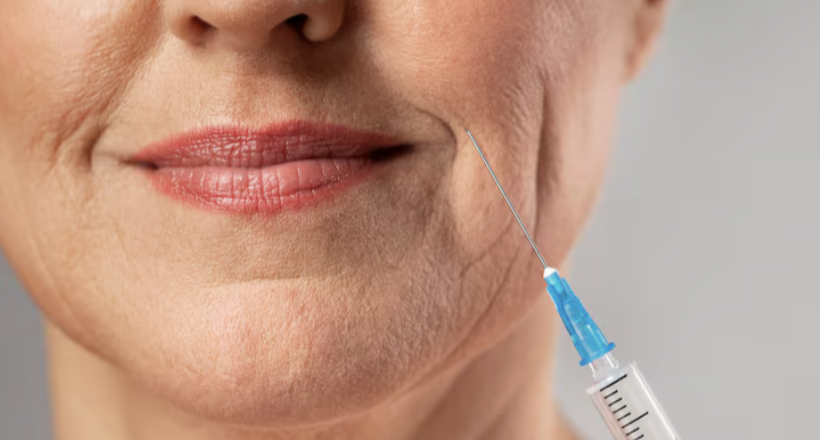
Polynucleotides are fragments of purified DNA most commonly derived from salmon or trout sperm DNA that have been processed to remove any biological material that could trigger an immune response. What remains are long chains of nucleotide molecules (hence the name) that act as powerful biological signals within the skin.
When injected, polynucleotides don’t add volume in the way hyaluronic acid fillers do. Instead, they work by binding to specific receptors on fibroblast cells the cells responsible for producing collagen and elastin and essentially instructing them to increase their output. They also have a strong affinity for water, improving the skin’s capacity to retain moisture from the inside out.
What polynucleotides do in the skin:
Stimulate fibroblast activity, boosting collagen and elastin production
Bind water molecules, improving hydration and skin elasticity
Reduce inflammation and support recovery in sensitive or compromised skin
Improve overall tissue quality over a course of treatment, skin becomes visibly thicker, smoother, and more resilient
Strengthen the skin barrier, particularly important in mature, dehydrated, or post-treatment skin
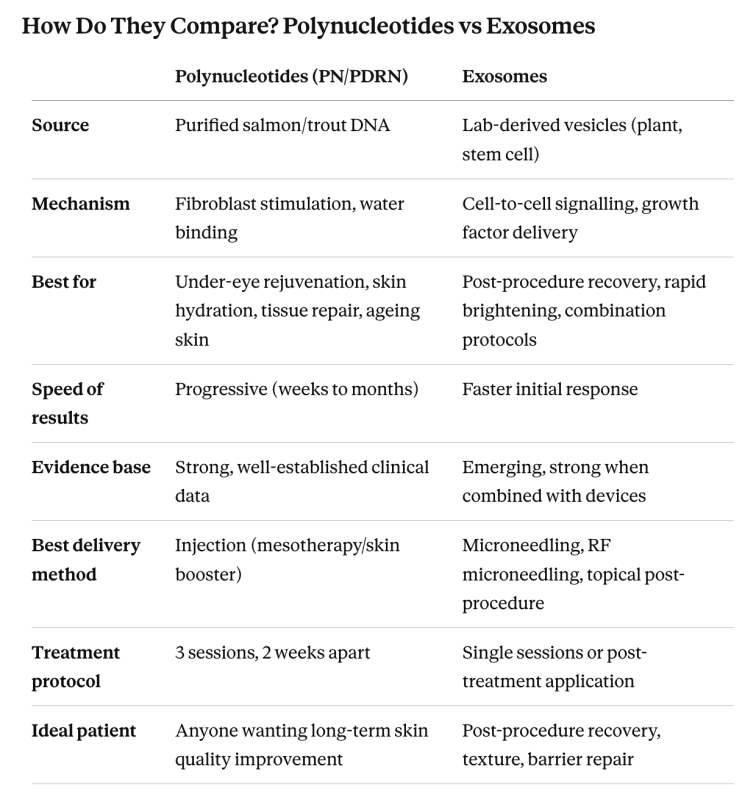
The result isn’t an instant transformation. Polynucleotide treatments work progressively over a course of sessions typically three, spaced two weeks apart with continued improvement over the following months as the skin’s own repair mechanisms are activated.
What Are Exosomes?
If polynucleotides work by feeding the skin’s repair machinery, exosomes work by rewiring the communication system that controls it.
Exosomes are nano-scale extracellular vesicles tiny lipid “bubbles” naturally released by cells that carry a cargo of proteins, lipids, and microRNA. In healthy, young skin, cells communicate rapidly and efficiently through exosome signalling: instructions for repair are sent and received almost instantly. In ageing or damaged skin, this signalling degrades. Cells respond more slowly, produce less collagen, and are less effective at clearing inflammation or repairing UV damage.
Lab-derived aesthetic exosomes typically sourced from plant cells, stem cell culture, or other carefully controlled biological sources introduce a flood of these signalling molecules into the skin, essentially resetting the communication network and instructing cells to behave more youthfully. They carry growth factors that stimulate collagen and elastin production, anti-inflammatory mediators, and microRNA sequences that influence gene expression in target cells.
Unlike polynucleotides, which are structural DNA fragments, exosomes deliver instructions rather than building blocks. The distinction matters clinically: exosomes tend to work faster, produce more immediate brightening and repair effects, and are particularly powerful when used in combination with energy-based treatments that open the skin’s channels.
The Best Treatment Uses for Each
When to Choose Polynucleotides
Polynucleotides are the more established of the two technologies, with a deeper evidence base and a clear clinical track record. They are the treatment of choice in several key scenarios:
Under-eye rejuvenation This is perhaps the most celebrated application of polynucleotides. The periorbital area is notoriously difficult to treat with traditional fillers due to the risk of the Tyndall effect and the delicacy of the skin. PN injections work beautifully here, improving skin thickness, reducing crepiness, and addressing the pigmentation and hollowness associated with under-eye ageing without adding unwanted volume.
Overall skin hydration and luminosity For patients in their 30s to 50s noticing dullness, dehydration, and early loss of skin quality, a course of PN skin boosters delivers visible improvement in skin tone, texture, and radiance.
Sensitive and compromised skin The anti-inflammatory properties of polynucleotides make them ideal for patients with rosacea-prone, reactive, or sensitised skin who want regenerative treatment without aggravation.
Scalp and hair restoration Emerging evidence points to PN injections as a valuable tool for revitalising dormant follicles, improving the overall scalp environment, and supporting hair restoration protocols.
Specialist PN products targeting the eye zone such as PN Eyes and Lumi PN Eyes, both available from SW Wholesale bring this precision to a dedicated periorbital treatment.
When to Choose Exosomes
Exosomes come into their own in specific high-performance scenarios, particularly when combined with other treatments:
Post-microneedling and RF microneedling This is the gold standard application for exosomes. Microneedling creates thousands of micro-channels in the skin, providing a direct pathway for exosomes to penetrate deep into the dermis. Applied immediately after a microneedling or RF microneedling session, exosomes flood the skin at exactly the moment its repair processes are activated, dramatically amplifying the regenerative response. The combination produces results that significantly outperform either treatment alone.
Post-laser recovery Applied after fractional laser or resurfacing treatments, exosomes accelerate healing, reduce post-inflammatory redness, and improve the quality of the repair process helping patients achieve better results with less downtime.
Skin barrier repair For patients recovering from acne treatment, prolonged retinoid use, or any protocol that has disrupted the skin barrier, exosome application supports rapid recovery and restoration.
Rapid brightening and glow treatments For patients wanting visible results quickly before an event or occasion, exosomes can deliver a noticeable improvement in skin luminosity and texture in a single session. Find Mesotherapy products here.
Delivery Methods: Getting the Best From Each Treatment
How you deliver these treatments matters as much as which product you choose.
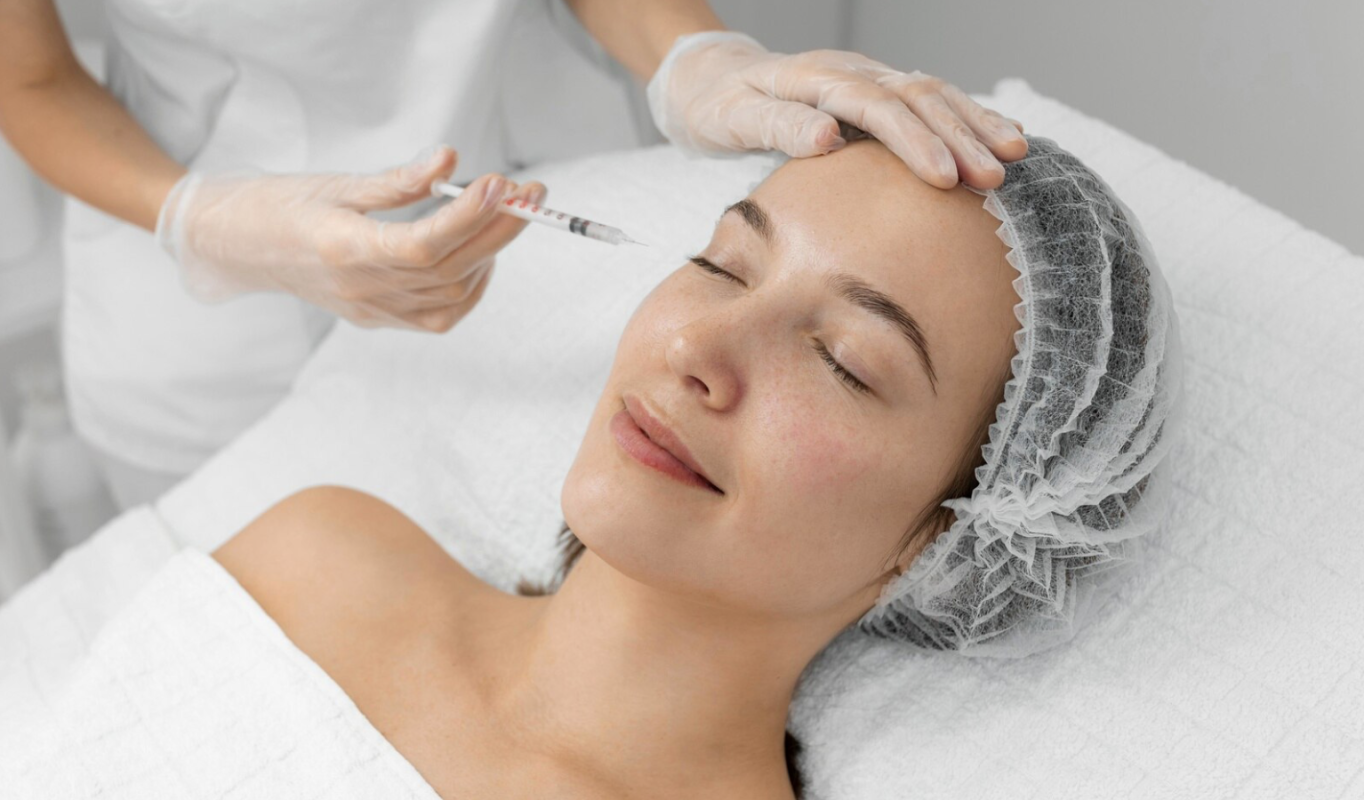
Injectable mesotherapy remains the standard approach for polynucleotides used as skin boosters multiple superficial injections across the treatment area deliver PN directly into the dermis. This allows precise, controlled dosing and is ideal for full-face skin quality treatments, neck and décolleté rejuvenation, and targeted periorbital work.
Microneedling is the preferred method for exosomes. Creating controlled micro-injury with a medical-grade needling device (or RF microneedling device) immediately before applying exosome solution allows the product to penetrate at depth rather than sitting on the skin surface. Korean clinics have long paired exosomes and polynucleotides with radiofrequency devices delivering the biologics into the microchannels created by the device to intensify the regenerative response and UK practitioners are increasingly adopting this layered approach.
Hybrid protocols combining both technologies are gaining ground as practitioners recognise that the two work synergistically: exosomes signal and accelerate, while polynucleotides rebuild and sustain.
Regenerative Aesthetics Is Here to Stay
The appeal of these treatments extends beyond their clinical results. They align with a fundamental shift in how patients think about aesthetics away from alteration and toward optimisation. Patients are increasingly resistant to the overfilled, frozen look of previous decades, and increasingly drawn to treatments that improve how their skin works rather than simply how it appears today.
Expert consensus heading into 2026 is clear: biostimulators including polynucleotides and exosomes will continue to be a central pillar of aesthetic practice. As one consultant dermatologist noted recently, the worlds of aesthetics, wellness, and longevity are merging, with regenerative skin health at the centre of what’s driving clinic bookings.
For practitioners, this is both an opportunity and a responsibility. Stocking quality polynucleotide and exosome products from a trusted UK aesthetics wholesaler positions your clinic at the forefront of a category that is only going to grow.
Explore Our Range at SW Wholesale
SW Wholesale stocks a comprehensive selection of polynucleotide skin boosters and exosome products at wholesale prices, including PN Eyes, Lumi PN Eyes, Pink Drop, NAD 3+, and more with next-day UK delivery available on orders placed before 3:30pm.