
The science-backed treatment transforming skin from within
If you’ve been spending any time in aesthetics clinics or scrolling through skincare content lately, you’ll have noticed a name coming up again and again: PDRN. Also referred to as Salmon DNA therapy, PDRN skin boosters have moved from niche medical treatment to one of the most talked-about regenerative procedures in aesthetics. But what exactly is it, where did it come from, and does it actually deliver the luminous, glass-like skin people are raving about?
This guide covers everything you need to know, from the science and history behind PDRN to what happens during treatment, how long results last, and what real patients experience.
PDRN What is it? The Science Explained
What Is PDRN? The Science Explained
PDRN stands for Polydeoxyribonucleotide. It sounds complex, but the concept is fairly straightforward. PDRN is a purified DNA fragment derived from the sperm cells of Oncorhynchus mykiss (rainbow trout) or chum salmon. These DNA fragments are extracted, sterilised, and processed into an injectable solution.
The reason salmon DNA is used is not as unusual as it first sounds. The DNA structure of salmon shares a high degree of compatibility with human DNA, specifically in its nucleotide base sequences. This makes it biologically acceptable to the human body, reducing the risk of immune rejection or adverse reaction.
Once injected into the skin, PDRN works in two key ways:
- A2A Receptor Activation: PDRN stimulates adenosine A2A receptors in the skin. This triggers anti-inflammatory responses and promotes tissue repair at a cellular level.
- Salvage Pathway Support: The DNA fragments provide a direct supply of nucleotide building blocks that the body can use to repair damaged DNA and synthesise new cells more efficiently.
The combined result is accelerated cell regeneration, improved collagen production, reduced inflammation, and enhanced tissue healing, all happening beneath the surface of the skin.
Key Fact
- PDRN works at a cellular level, not just a surface level.
- It triggers your own skin’s repair mechanisms rather than adding a temporary filler.
- It is classified as a bioremodelling and biorevitalisation treatment.
The Discovery: How PDRN Came to Aesthetics
PDRN did not begin as a cosmetic ingredient. Its story starts in regenerative medicine, specifically in wound healing and tissue repair research in Italy during the 1990s.
Italian researchers studying post-surgical wound healing identified that polydeoxyribonucleotides derived from salmon sperm significantly accelerated tissue regeneration. Clinical trials showed it reduced healing time, diminished inflammation, and promoted healthier tissue formation in burns, diabetic ulcers, and post-surgical wounds.
These findings led to pharmaceutical-grade PDRN products being licensed for medical wound care use in Europe and South Korea. South Korean dermatologists and aesthetic practitioners began exploring its application in skin rejuvenation during the early 2000s, noting that the same regenerative mechanisms that healed wounds could also reverse the visible signs of skin ageing and damage.
South Korea became the epicentre of PDRN development in aesthetics. Brands such as Placentex, Rejuran (one of the most well-known PDRN products, developed by Pharma Research Products), and PDRN-based cocktails gained widespread clinical use. From South Korea, the treatment spread across Asia, then into European clinics, and has more recently gained significant traction in the UK aesthetics market.
Today, PDRN is used by practitioners globally as a standalone treatment and in combination protocols with hyaluronic acid skin boosters, PRP, and polynucleotides (PN).
What PDRN Does to the Skin
Understanding what PDRN physically does to skin tissue helps explain why practitioners and patients rate it so highly. The effects operate across multiple layers and over several weeks following injection.
Stimulates Collagen and Elastin Production
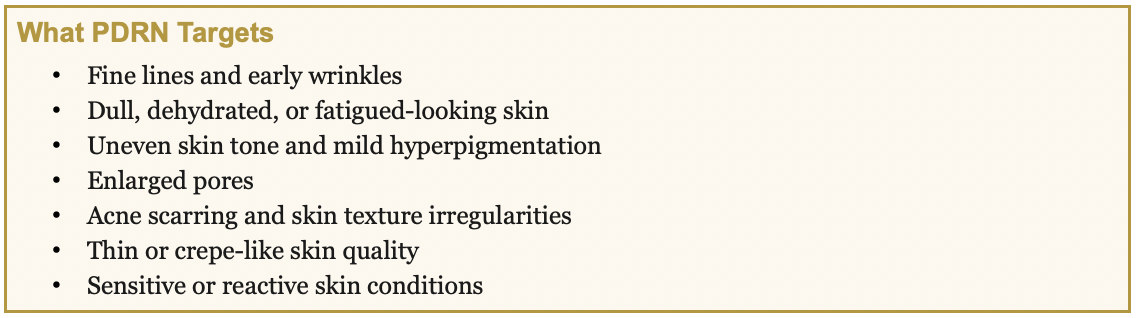
One of the most clinically significant actions of PDRN is its ability to upregulate collagen synthesis. By activating fibroblasts (the cells responsible for producing structural proteins), PDRN encourages the skin to rebuild its own collagen and elastin matrix. This is why results continue to improve after the initial treatment, not just immediately after.
Reduces Inflammation
Chronic low-grade inflammation in the skin is a driver of premature ageing, hyperpigmentation, and conditions like rosacea. PDRN’s activation of A2A receptors directly suppresses inflammatory cytokines, calming reactive, sensitised, or compromised skin from within.
Improves Skin Hydration
PDRN stimulates hyaluronic acid production within the dermis itself. This is distinct from injecting hyaluronic acid externally. The skin is encouraged to produce its own hydrating compounds, contributing to that characteristic lit-from-within quality seen after a course of treatment.
Enhances Skin Texture and Tone
By accelerating cell turnover and supporting DNA repair in existing cells, PDRN improves the overall quality of the skin’s surface. Patients typically report reduction in pore visibility, smoother texture, more even pigmentation, and a general clarity that is difficult to achieve with topical products alone.
Supports Wound Healing and Scar Remodelling
For patients with acne scarring, post-inflammatory hyperpigmentation, or sun-damaged skin, PDRN’s wound-healing origin remains relevant. It actively supports remodelling of damaged tissue, making it a valuable component in treatment plans for compromised or post-procedure skin.
The Pros of PDRN Skin Boosters
- Genuinely regenerative: Unlike many cosmetic treatments that create a temporary visual effect, PDRN works by triggering the skin’s own repair and regeneration processes. Results build progressively as new collagen and hyaluronic acid are produced.
- Suitable for sensitive and reactive skin: Its strong anti-inflammatory action makes PDRN one of the few injectable treatments that can be safely used on sensitised skin, rosacea-prone skin, or patients who have previously reacted to other treatments.
- Minimal downtime: Most patients experience mild redness and small papules at injection sites that resolve within 12 to 24 hours. There is no significant social downtime in the majority of cases.
- Safe biocompatibility profile: The high structural similarity between salmon and human DNA means the treatment is well-tolerated. It has an extensive clinical safety record from its medical use in wound care, which predates its cosmetic application by years.
- Complements other treatments: PDRN works synergistically with hyaluronic acid skin boosters, PRP, and topical vitamin C. Many practitioners combine PDRN with HA for a dual-action approach to hydration and regeneration.
- Visible improvement in skin quality, not just lines: Where some treatments focus narrowly on volume or wrinkle reduction, PDRN improves overall skin health, which is why patients often describe results in terms of glow, clarity, and texture rather than just specific concerns.
The Cons of PDRN Skin Boosters
- Results are not immediate: PDRN is not a quick-fix treatment. Collagen remodelling takes time. While some patients notice an improvement in hydration and glow fairly quickly, the full structural benefit typically develops over six to eight weeks following a course of treatment.
- A course is required, not a single session: Most practitioners recommend three to four sessions, spaced two to four weeks apart, to achieve optimal results. This means a financial and time commitment that single-session treatments do not require.
- Not a replacement for volume or definition: PDRN does not add volume. Patients wanting to address significant volume loss in the cheeks or temples, or looking for the lifting effect of threads, will need additional or alternative treatments.
- Injection discomfort: While PDRN is injected using fine-gauge needles and numbing cream is typically applied beforehand, multiple injection points across the face mean some patients find the procedure uncomfortable.
- Not widely available in all clinics: PDRN requires appropriate training and prescribing, and not all aesthetics clinics currently offer it. Access and practitioner experience vary.
- Results require maintenance: Like all skin booster treatments, results are not permanent. Without maintenance sessions, the regenerative effects gradually decline.
How Long Do The Results Last?
This is one of the most common questions about PDRN, and the honest answer is that it depends on several factors: the patient’s age, skin condition, lifestyle, and how many sessions they complete.
After an initial course of three to four sessions, most patients can expect visible results to last between six and twelve months. Some patients with well-maintained skin health and consistent aftercare report sustained improvement for longer.
Maintenance sessions every three to six months are typically recommended to preserve results. Because PDRN continues stimulating collagen production gradually, patients who commit to regular maintenance often find cumulative improvement in skin quality over time rather than a return to baseline.
Factors that accelerate the degradation of results include:
- High UV exposure without adequate sun protection:
- Smoking:
- Poor hydration and nutrition:
- High physiological stress:
- Inconsistent use of supporting topical skincare:

How PDRN Is Administered for Glass Skin Results
The technique used to administer PDRN significantly affects the outcome, particularly when the goal is that clear, smooth, glass-like skin quality. Here is how experienced practitioners approach it.
Micro-papule (Intradermal) Injection Technique
The most common and effective method for skin quality improvement is intradermal microinjection. The practitioner uses a fine needle (typically 30 or 32 gauge) to deposit small amounts of PDRN just beneath the skin’s surface in a grid or cross-hatching pattern across the face.
Each papule places the product precisely within the dermis where fibroblast activity occurs. The technique is methodical and covers the full face, including areas that are often under-treated such as the perioral zone, chin, and under-eye area.
Mesotherapy Technique
Some practitioners use a mesotherapy gun or automated injection device to deliver PDRN at consistent depth and volume across multiple points rapidly. This increases efficiency and can improve uniformity of distribution, though it requires well-calibrated equipment and experienced handling.
Cannula-Assisted Delivery
In certain areas, particularly around the eyes and along the jawline, a fine cannula may be used to deposit PDRN more evenly with less trauma to the tissue. This approach is increasingly favoured for patients with thin or sensitive skin.
Combination Protocols for Glass Skin
The glass skin aesthetic, characterised by luminosity, pore refinement, and smooth, even texture, is most consistently achieved through combination protocols rather than PDRN alone. Practitioners targeting this outcome often combine:
- PDRN with HA skin booster: hyaluronic acid provides immediate deep hydration while PDRN drives longer-term structural improvement
- PDRN with topical exosomes or growth factors: applied immediately post-treatment to amplify regenerative signalling
- PDRN with LED therapy: red light therapy post-injection supports healing and enhances collagen stimulation
- PDRN as a pre-treatment before resurfacing: preparing skin for laser or microneedling by pre-loading it with regenerative signals, then using PDRN post-procedure to support recovery
Aftercare for Best Results
Practitioners typically advise patients to avoid touching the treated area for several hours post-treatment, avoid exercise and heat exposure for 24 hours, apply SPF diligently, and begin or continue a vitamin C and retinol supporting skincare routine once the skin has fully settled.
Results: What Do Patients Actually Experience?
Patient experiences with PDRN vary based on their starting skin condition, the number of sessions completed, and the skill of their practitioner. Here is a realistic picture of what people report at different stages.
After Session One
Most patients notice immediate plumpness and hydration for two to three days post-treatment, driven partly by the inflammatory healing response. Some see a subtle glow. There is typically some mild redness and small papule marks at injection sites that resolve within 24 to 48 hours.
After Sessions Two to Three
By the second and third sessions, patients begin to notice more sustained improvements: skin that feels firmer and more hydrated between sessions, early improvement in texture, and a more consistent luminosity. Fine lines around the eyes and mouth are often among the first areas to visibly improve.
After Completing the Full Course
This is where PDRN’s reputation is built. Patients completing a full course of three to four sessions consistently report:
- Significant improvement in skin texture and smoothness:
- Brighter, more even skin tone with reduction in dullness:
- Refined pore appearance:
- Plumper, more hydrated skin that holds moisture between treatments:
- Reduction in fine lines and early signs of ageing:
- That coveted glass skin quality: reflective, clear, healthy-looking skin:
For patients with acne scarring or post-inflammatory hyperpigmentation, improvement tends to be more gradual but is often described as among the most meaningful results they have achieved compared to other treatments.
Long-Term Patient Feedback
Patients who commit to maintenance protocols often describe PDRN as a treatment that changes how their skin behaves rather than simply how it looks on a given day. Skin that was previously dehydrated and reactive tends to become more resilient and balanced over time. Many describe a point at which their friends or colleagues begin commenting on their skin without knowing they have had any treatment at all.
Is PDRN the Right Treatment for You?
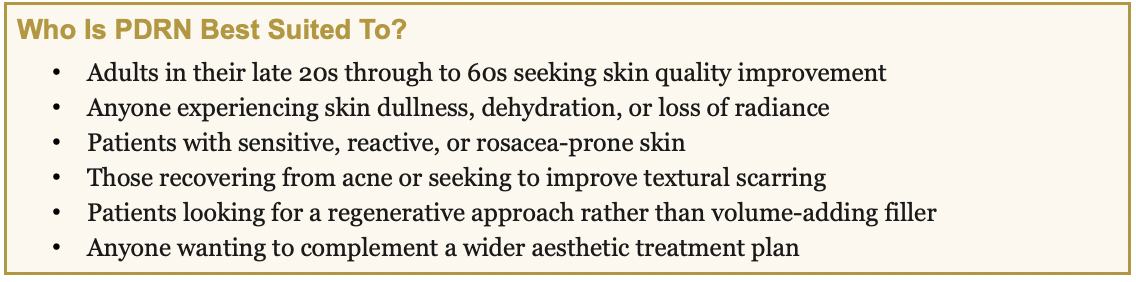
PDRN is not the right answer for every skin concern. If you are looking for immediate, dramatic structural lifting or significant volume restoration, it will not deliver that alone. But as a treatment designed to improve the fundamental quality of your skin from within, it is one of the most evidence-backed options currently available in aesthetics.
It works best for patients who are realistic about the gradual nature of regenerative results, willing to commit to a course of treatment, and motivated to support the process with good sun protection and a consistent skincare routine at home.
Consultation with a qualified aesthetic practitioner is essential before proceeding. They will assess your skin health, discuss your goals, and advise on whether PDRN alone or in combination with other treatments is the most appropriate pathway for you.
This article is for educational purposes only and does not constitute medical advice. Always consult a qualified aesthetic practitioner before undergoing any treatment.

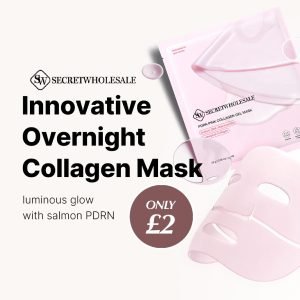
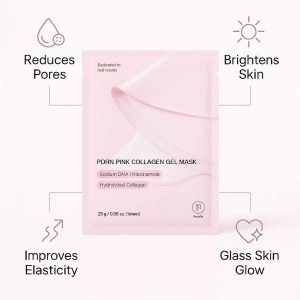
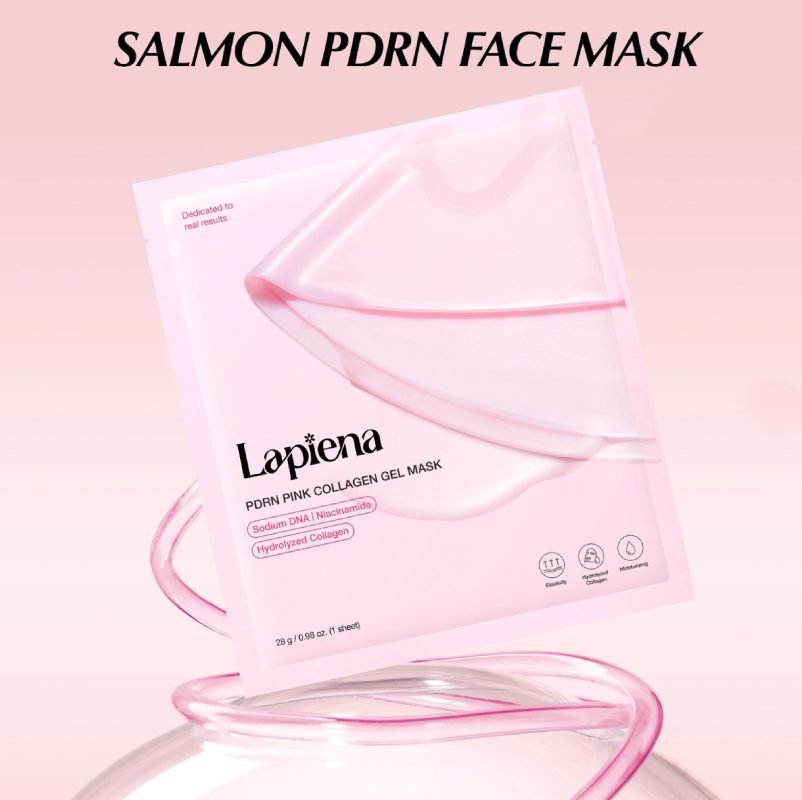
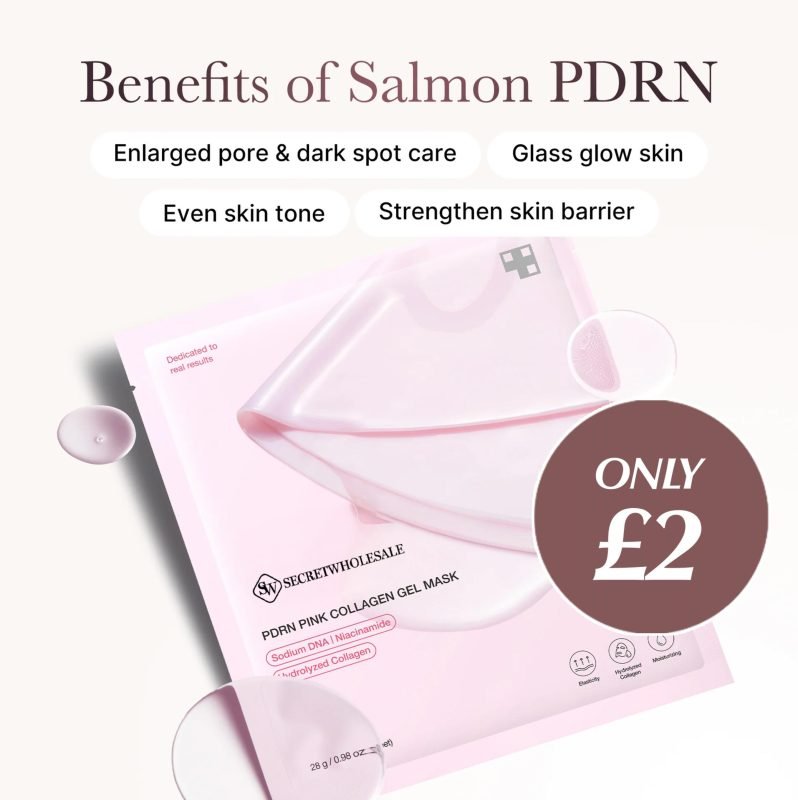
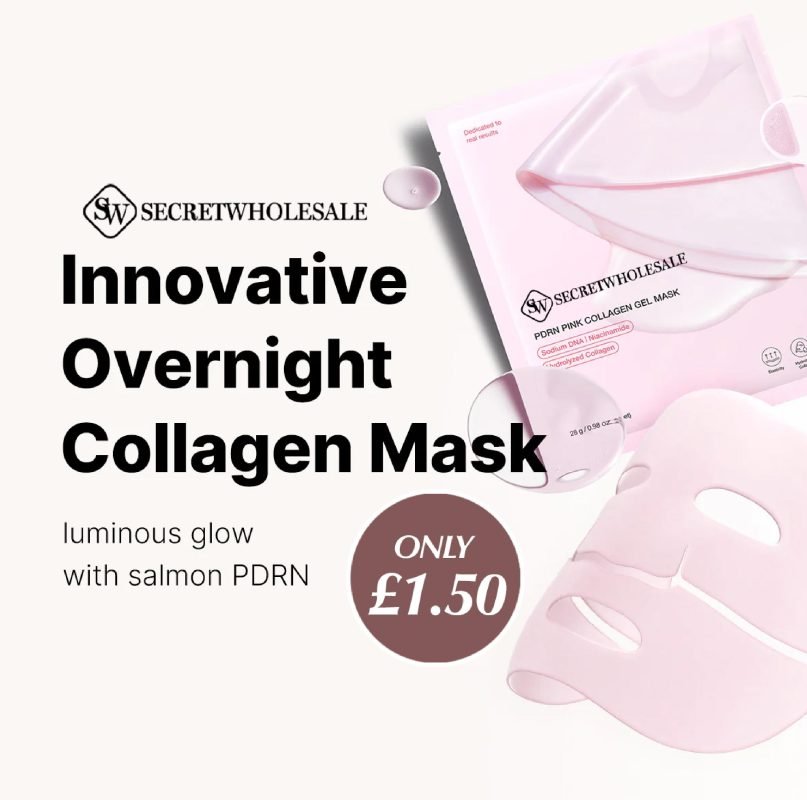
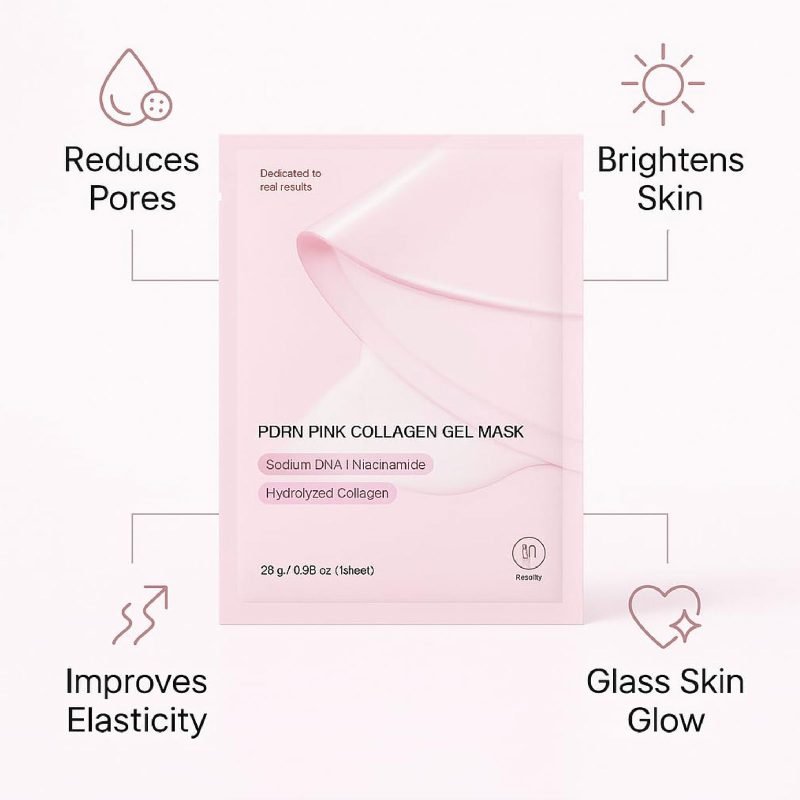
PDRN Face Mask
Product details
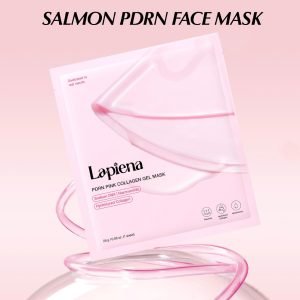
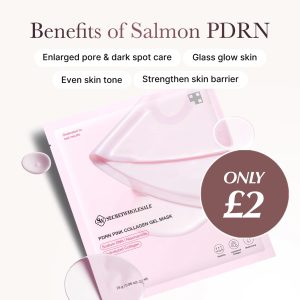
With Sodium DNA (PDRN), Niacinamide, and Hydrolyzed Collagen, this Salmon PDRN Face Mask helps refine skin texture, brighten uneven tone, and reinforce the skin barrier. Perfect for post-treatment recovery or as a luxurious at-home ritual, it leaves the complexion smooth, radiant, and revitalised.
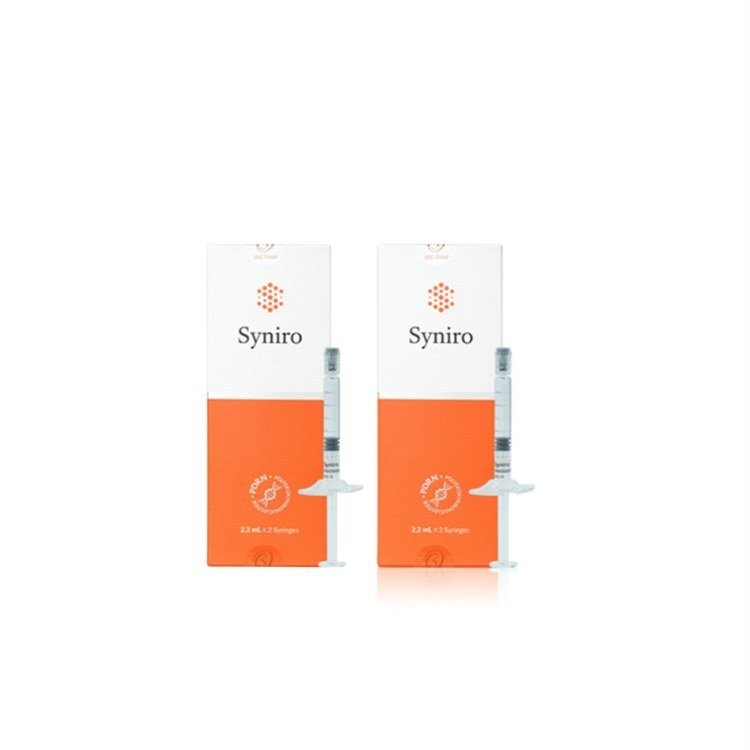
Syniro PDRN skin rejuvenation 2 x 3ML
Syniro PDRN skin rejuvenation 2 x 2.2ml VI generation derma modulator based on modified partially stabilised hyaluronic acid. PDRN and a complex of biomimetic peptides.