
Collagen stimulators are one of the fastest-growing treatment categories in UK aesthetics clinics. Patients are asking for gradual, natural-looking improvement in facial structure and skin quality rather than instant volume, and poly-L-lactic acid (PLLA) is the injectable behind much of that demand. This guide covers how PLLA works, how it differs from hyaluronic acid (HA) fillers and skin boosters, and what to check before adding a PLLA product to your clinic.
What is a PLLA collagen stimulator?
Poly-L-lactic acid is a synthetic, biocompatible and biodegradable polymer that has been used in medicine for decades, including in dissolvable sutures. In aesthetics it is supplied as a powder that is reconstituted before injection. Rather than filling space, it acts as a biostimulator: the microparticles trigger a controlled response in the skin that encourages fibroblasts to produce new collagen over time.
The practical result is that volume and skin quality improve gradually, typically over several weeks to months, rather than on the day of treatment. That is exactly why patients who dislike an “overfilled” look gravitate towards it.

PLLA vs HA fillers vs skin boosters
| Feature | PLLA collagen stimulator | HA dermal filler | Skin booster |
|---|---|---|---|
| Main action | Stimulates the body’s own collagen | Adds volume and structure immediately | Hydrates and improves skin quality |
| Visible result | Gradual, builds over weeks to months | Immediate | Builds over a course of sessions |
| Reversible? | No, hyaluronidase does not dissolve PLLA | Yes, with hyaluronidase | Generally not a concern at product volumes used |
| Typical use | Facial and body laxity, volume loss, skin quality | Contouring, lips, cheeks, jawline | Texture, glow, fine lines, hydration |
These three categories are often confused by patients, and sometimes by new practitioners. They solve different problems and are frequently combined in a single treatment plan.
Because PLLA is not reversible with hyaluronidase, patient selection, planning and technique matter more than with HA products. For a closer look at how skin boosters fit into the same patient journey, read our guide on why skin boosters are dominating the market, and for multi-product planning see how to combine dermal fillers and fat dissolving.
Who is a good candidate?
PLLA tends to suit patients who are looking for subtle, long-term improvement and who understand that results take time. Common presentations include:
- Early to moderate facial volume loss, particularly in the temples, cheeks and lower face
- Skin laxity and loss of firmness
- Patients who want to reduce how often they need HA filler top-ups
- Selected body areas, where the product’s IFU and your training support it
Standard contraindications apply, including active infection or inflammation at the treatment site, a history of keloid or hypertrophic scarring, known hypersensitivity to product components, and pregnancy or breastfeeding. Always follow the manufacturer’s instructions for use and your own clinical judgement.
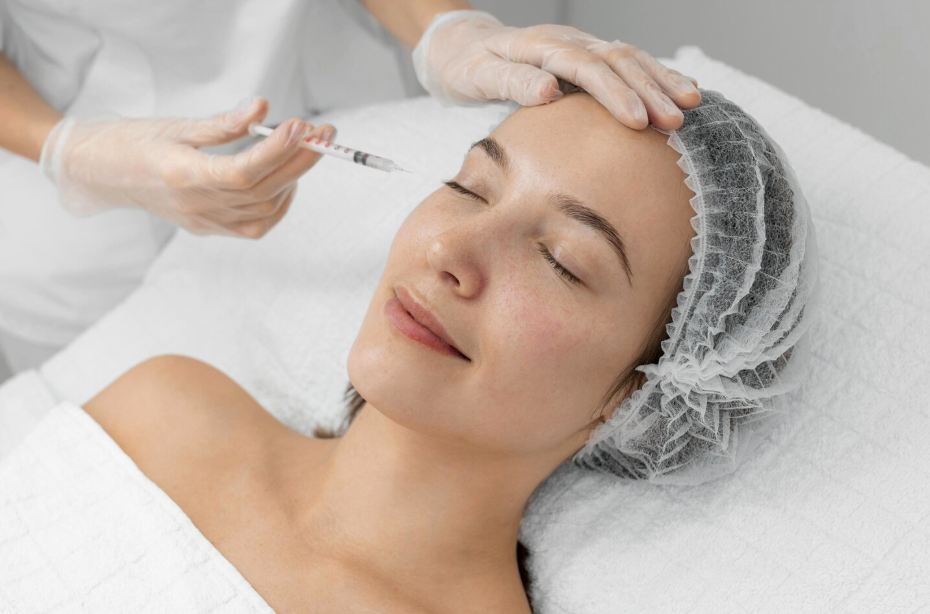
Protocol basics practitioners should know
- Consultation and consent: set clear expectations on timeline. Explain that results develop gradually, that more than one session is usually needed, and that the treatment is not reversible with hyaluronidase.
- Reconstitution: dilution volume and hydration time vary by brand. Follow the specific IFU rather than a protocol learned on a different product.
- Placement and technique: products are generally placed deep (subdermal or supraperiosteal, depending on area and brand guidance) and not superficially. Lips and the periorbital area are generally avoided.
- Session spacing: a course of several sessions spaced weeks apart is common, with the exact number and interval based on the patient and the manufacturer’s guidance.
- Aftercare: post-treatment massage is widely taught with PLLA to help even distribution. Give patients written aftercare instructions in line with the product’s guidance and your training provider’s protocol.
Managing risk
The main practical concern with PLLA is nodule formation, which is generally linked to technique, dilution, placement depth and patient aftercare. Good training, conservative dosing per session and meticulous documentation reduce risk. Have a clear plan in place for adverse events, keep records of product batch numbers for every patient, and know when to escalate or refer.
Comparing PLLA products: what to check
PLLA products are not interchangeable. When comparing brands, request documentation and look at the following:
| Check | Why it matters |
|---|---|
| PLLA content per vial | Determines cost per treatment and how many vials a course needs |
| Reconstitution guidance | Affects preparation time, workflow and consistency of results |
| Recommended depth, needle or cannula | Must match your training and technique |
| Regulatory status and documentation | Confirms the product can be used legally and defensibly in your clinic |
| Batch traceability and packaging | Essential for patient records and for verifying authenticity |
| Storage requirements | Protects product integrity from delivery to treatment room |
PLLA products available at SW Wholesale
These are currently available for pre-order, so you can secure stock ahead of busy periods. Browse the full pre-order range or our wider injectables category.
Frequently asked questions
What is the difference between PLLA and hyaluronic acid filler?
HA filler adds volume immediately and can be dissolved with hyaluronidase. PLLA stimulates your own collagen production, so results appear gradually, and it cannot be reversed with hyaluronidase.
How many PLLA sessions does a patient usually need?
Most protocols involve a course of several sessions spaced weeks apart. The right number depends on the patient, the area and the product, so follow the manufacturer’s guidance and your clinical assessment.
How long do PLLA results last?
Results are commonly reported to last up to around two years for established products, but longevity varies by patient, product and treatment area. Avoid promising a fixed duration.
Can PLLA be used with skin boosters or fat dissolving?
Yes, PLLA is often one element of a wider plan alongside skin boosters, HA filler or body contouring. Our guide to polynucleotides vs exosomes explains how regenerative boosters differ from structural treatments.
Is PLLA suitable for lips or under the eyes?
These areas are generally avoided with PLLA. Always check the IFU for the specific product.
Stock PLLA with confidence
SW Wholesale supplies UK clinics with next-day delivery on orders placed before the cut-off time, and our team can help with product questions before you order. Check our FAQs or contact the team on WhatsApp or by email.
This article is for qualified aesthetic practitioners and is for general information only. It is not medical advice and does not replace manufacturer instructions for use, clinical training or your professional judgement.